Quick Fixes: Unblocking Small Outdoor Drains
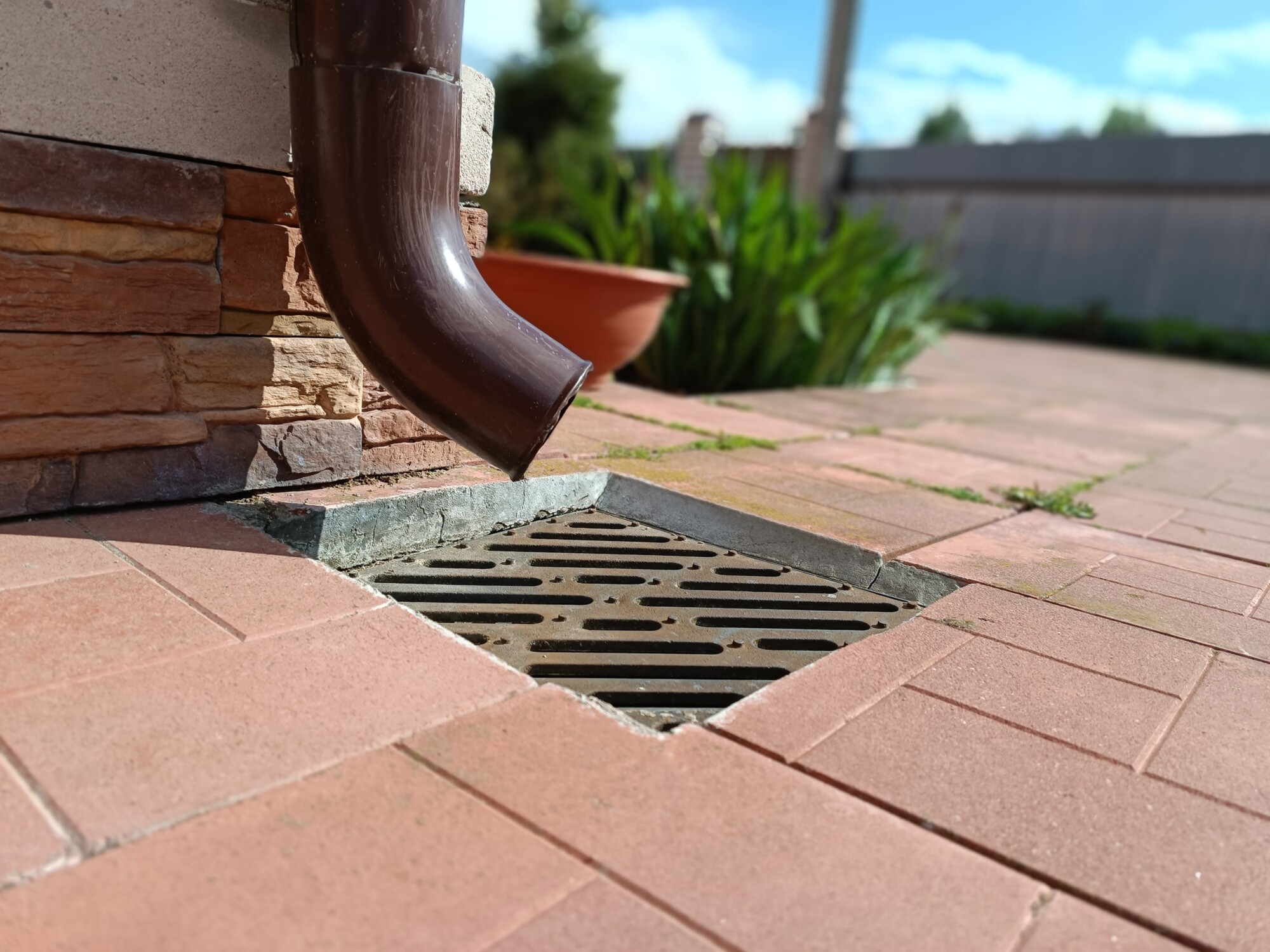
Blocked outdoor drains can be a nuisance, especially when they disrupt the flow of water in your garden or driveway. For UK homeowners and renters, these issues often arise unexpectedly and can be resolved with some simple DIY methods. We have broken down ways that residential drainage systems can be sorted at home with a few DIY tips, removing minor blockages so that you won’t need any drainage repairs.
DIY Drain Unblocking Methods That Work
1. Drain Rods
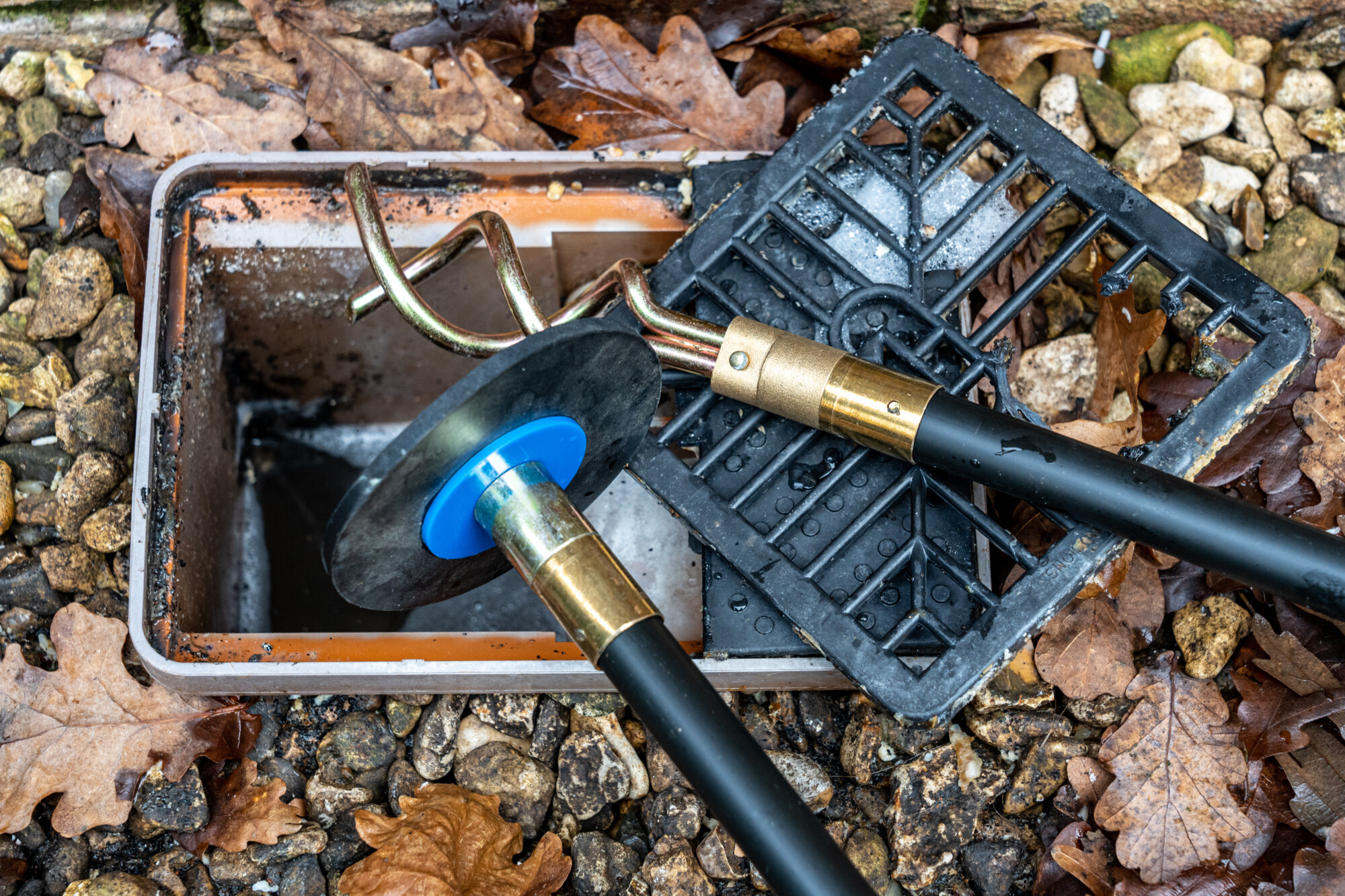
A drain rod should become a staple of any homeowner’s toolkit when it comes to getting rid of blockages that are near the surface of a drain. Available at most DIY shops, these drain rods are an ideal companion for getting rid of any obstructions like leaves, especially as we enter autumn, and other debris. It is important to remember to twist the drain rod in a clockwise direction; this will help prevent the rod from unscrewing or getting stuck in the drain you are trying to clear.
2. Pressure Washer Jet
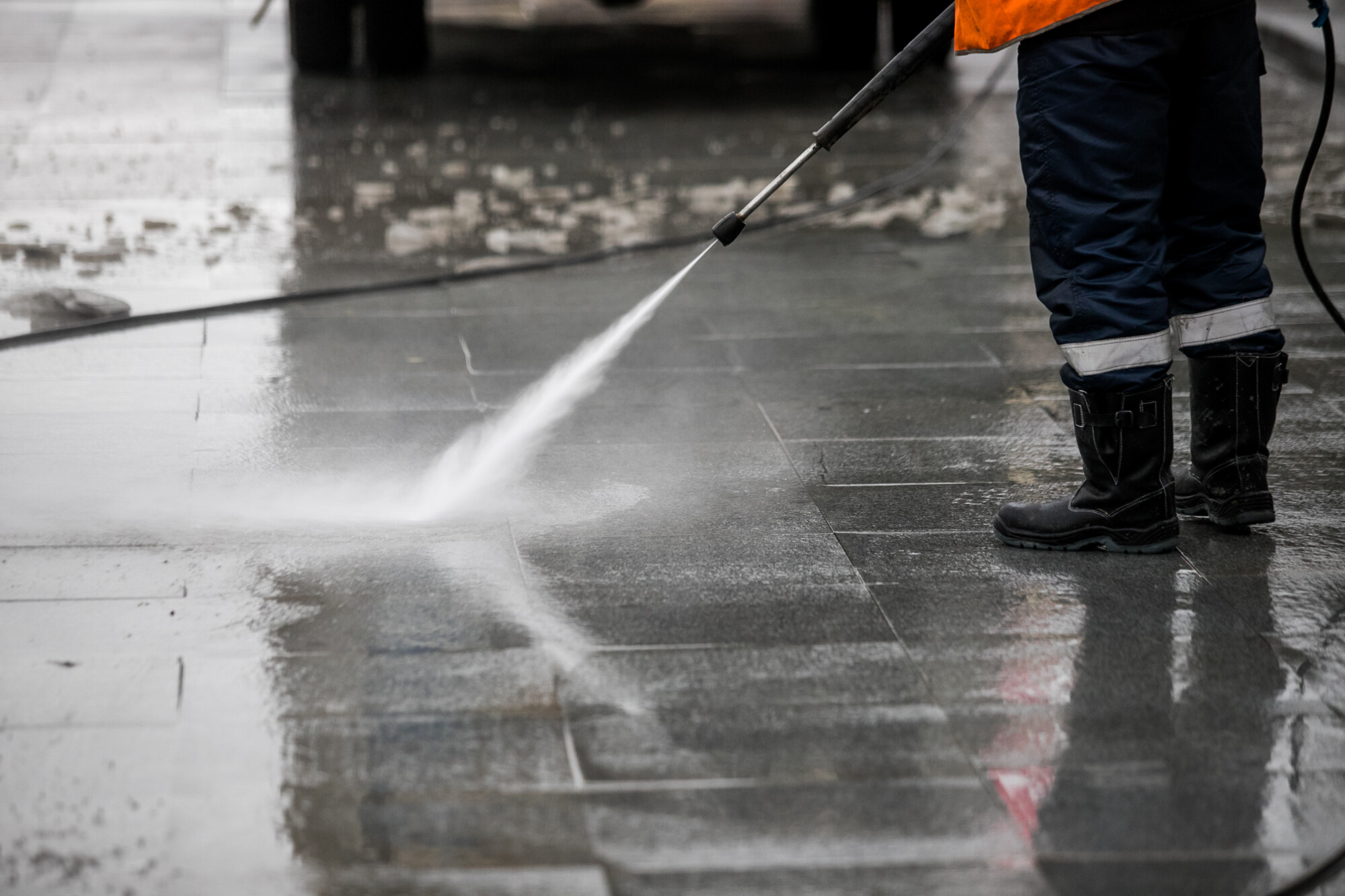
For blockages that have become greasy or sludgy, using a pressure washer can be a very effective solution. Attach a nozzle to the pressure washer that is designed for drains, and this can be a very powerful method. Make sure to use this cautiously, however, as excessive pressure from the pressure washer can cause issues with older pipes and dislodge pipe joints.
3. A Mixture of Baking Soda & Boiling Water
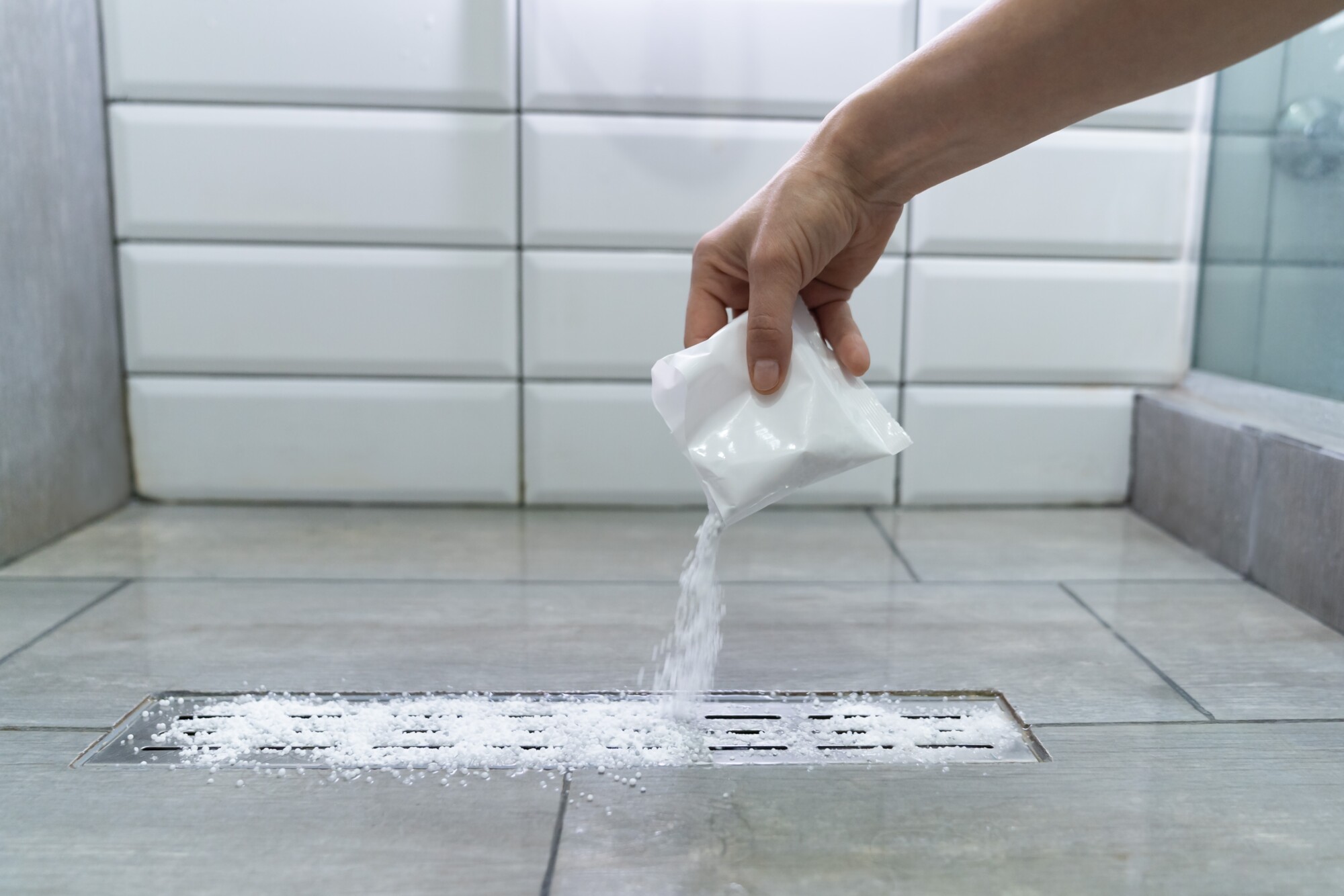
Not just a great way to clear away burnt-on food, or even tenderise meat, a mixture of baking soda and boiling water is a great fix for greasy residues or minor build-ups. Pour the boiling water slowly down the drain, followed by the baking soda, to begin to break apart the blockage.
4. Manual Removal
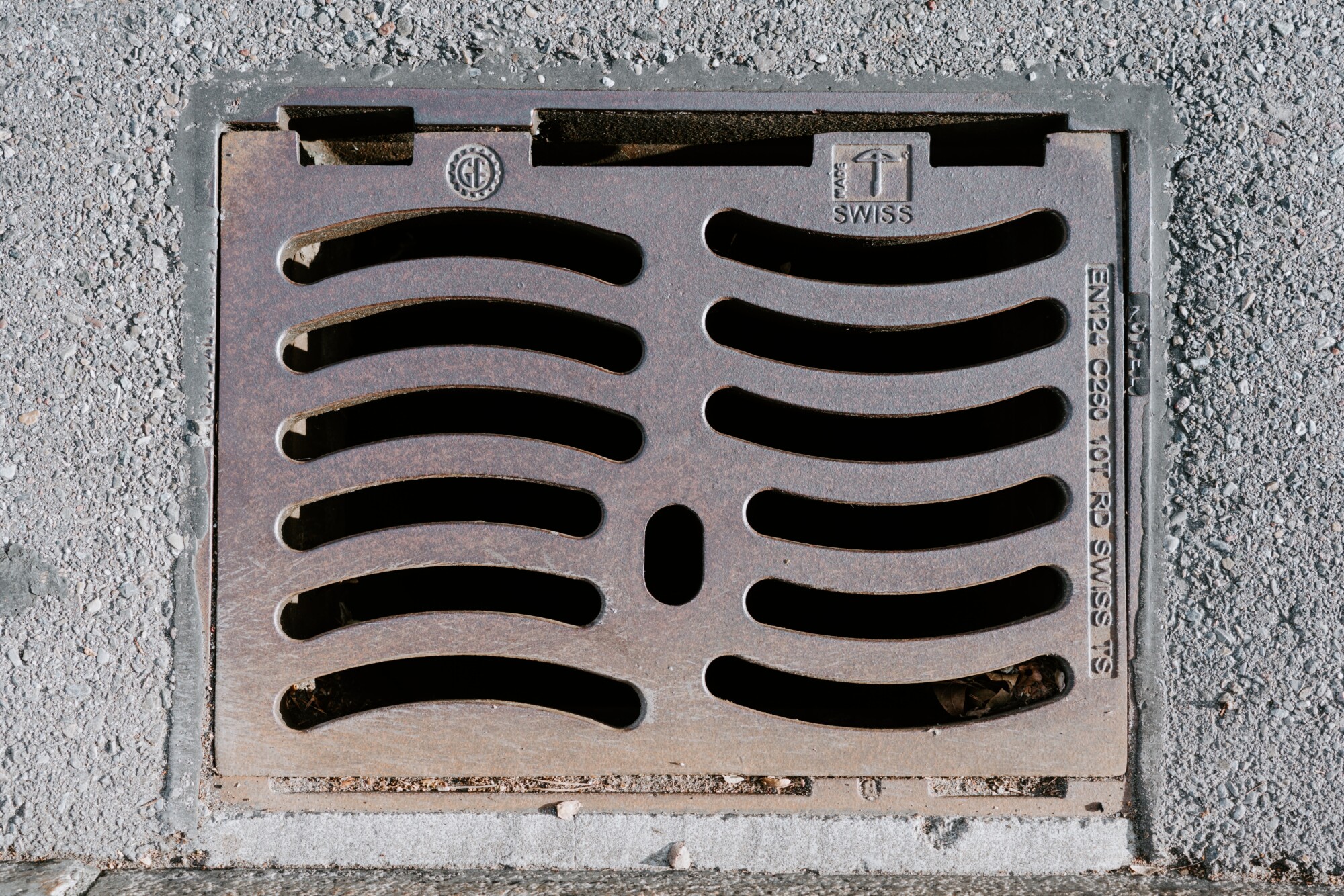
Sometimes the simplest solution is the most effective, especially when the blockage is clearly visible near the surface. If water is pooling around the top of the drain and you can see a build-up of debris like wet leaves, twigs, soil, or even garden waste, manual removal is often the fastest fix.
Start by putting on a pair of heavy-duty gloves to protect your hands. Drain covers can be heavy or dirty, so a screwdriver or lifting tool may help you safely remove the lid without strain. Once the cover is off, take a look inside and if the blockage is within reach, carefully scoop out any debris using a trowel or your gloved hands and place it into a bucket or garden waste bag for disposal.
If you’ve recently used any drain cleaners or chemical treatments, it’s also wise to wear safety goggles to protect your eyes from splashes. Avoid mixing any cleaning agents and always flush the area with clean water afterward.
Manual removal is often all that’s needed for seasonal build-ups caused by autumn leaves or mossy debris, especially in driveway or patio drains. However, if the drain still empties slowly after a thorough clean, there may be a deeper blockage that requires one of the other methods — or professional help.
What If DIY Doesn’t Work?
While DIY methods are great for minor blockages, there are times when professional help is necessary. Consider calling in the experts if you encounter:
- Deep blockages that are inaccessible with DIY tools
- Persistent bad odours after attempting DIY fixes
- Water backing up from multiple drains
In such cases, a professional service like ours at Express Drainage Solutions can provide effective drainage repairs. For a thorough inspection, drain surveyors can help identify the root cause of the problem.
Preventing Future Blockages in Outdoor Drains
Prevention is better than a cure. To avoid future blockages, consider these tips:
- Regularly clear drain covers and leaf traps to prevent build-up.
- Avoid pouring cooking fats down outdoor sinks, as they can solidify and cause blockages.
- Install drain guards or filters to catch debris before it enters the drain.
- Maintain surrounding areas like driveways and patios to minimise debris accumulation.
For more comprehensive solutions, explore residential drainage systems.
Are Blocked Outdoor Drains a Sign of Bigger Problems?
While many blockages are surface level, some may indicate more significant issues. Older properties or rural homes might rely on outdated systems, such as a Cesspit, which can complicate drainage problems. In such cases, a professional assessment is crucial to prevent long-term damage.
Do I Need A Plumber Or a Drain Contractor?
Final Thoughts: A Little Maintenance Goes a Long Way
Addressing minor drainage issues with DIY methods is often safe and effective. However, for deeper blockages or persistent problems, professional intervention is necessary. Early action can prevent costly repairs, so if you’re ever in doubt, contact Express Drainage Solutions. Their expertise ensures your drainage system remains in top condition, saving you time and stress in the long run.