Seasonal Drain Care Checklist for UK Homes
Looking after your home’s drainage system is vital for preventing blockages, freeze damage, and expensive repairs. The UK’s changing weather means your drain care routine needs to shift with the seasons. Use this targeted checklist to keep your drains in top shape year-round—and avoid sudden plumbing headaches.
Spring: Clearing Away Winter Debris
As winter ends, refresh your home’s drainage system. Start by checking all outdoor drains—driveway grids, patios, and downpipe outlets—for leaves, sticks, and dirt. Wear gloves and use a trowel to remove debris, then flush the drain with a bucket of water.
Tidy Drain Covers:
Check drain covers for stability and fit. Replace any that are loose or broken to block debris and small animals from getting in.
Clear Gutters:
Gutters clog in winter. Use a safe ladder and a gutter scoop, or a hose with a cleaning attachment, to remove moss and silt. Pay special attention to where gutters meet downpipes as clogs here cause most issues.
Get Help If Needed:
If your drains drain slowly or you had problems last year, it could be time for a professional check-up. Learn more about our drain unblocking services if you need expert assistance.

Summer: Monitor and Maintain
Summer’s drier weather makes now an ideal time to inspect for developing issues.
Check for Damage:
Heat can make some pipe fittings expand, causing eventual cracks or leaks. Look under decking, along patios, and around exposed pipes for damp or drips
Keep Roots in Check:
Summer growth means roots can invade pipes and drains. Trim back shrubs and avoid planting trees near drainage lines.
DIY Drain Cleaning:
Flush kitchen and bathroom drains with a mix of baking soda, vinegar, and boiling water to break down any starting buildup.
Consider a CCTV Survey:
If you’ve had repeated problems or suspect hidden issues, a professional CCTV survey can reveal cracks or blockages deep in the system. To understand pricing and services, check out the latest information on drain survey cost.

Autumn: Prevent Leaf Blockages
Falling leaves and heavy rain make autumn a key period for drain care.
Install Drain Guards:
Fit affordable covers or guards to grates and drain openings. Clean these weekly, especially if you live near trees.
Schedule Regular Clearing:
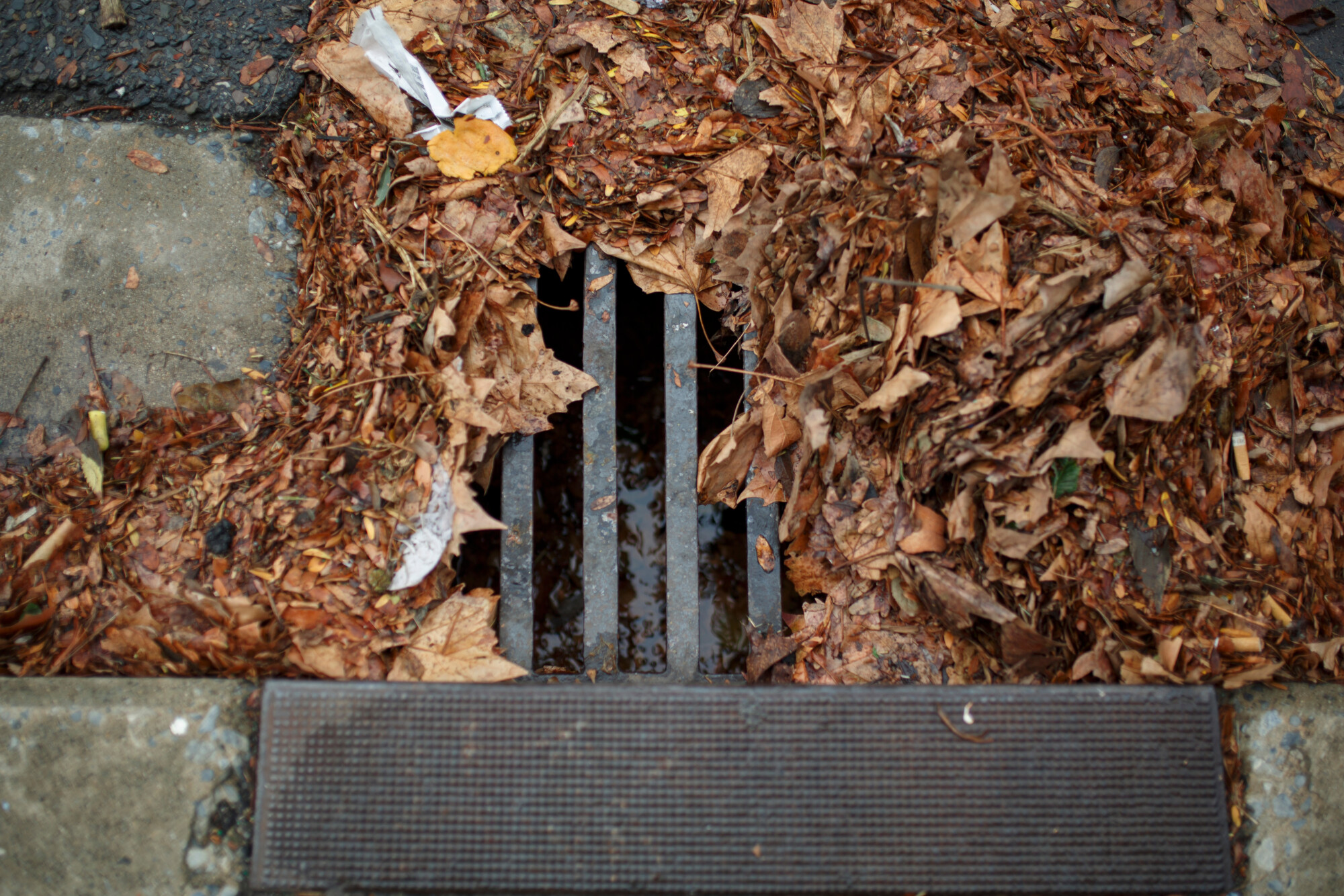
Clear drains, gutters, and grates every week while leaves are falling. Wet leaves quickly turn into stubborn blocks.
Dispose of Fats Properly:
With baking and roasting more common in cold weather, always let fats solidify before placing them in the bin. Never pour grease down the sink—it will harden in drains and cause “fatbergs.”
Boost Gutter Protection:
A leaf blower on low setting or a simple gutter brush keeps gutters clearer for longer. Mesh covers also help.
Winter: Protect Against Freeze Damage
UK winters can freeze pipes, leading to bursts and flooding.
Insulate Pipes:
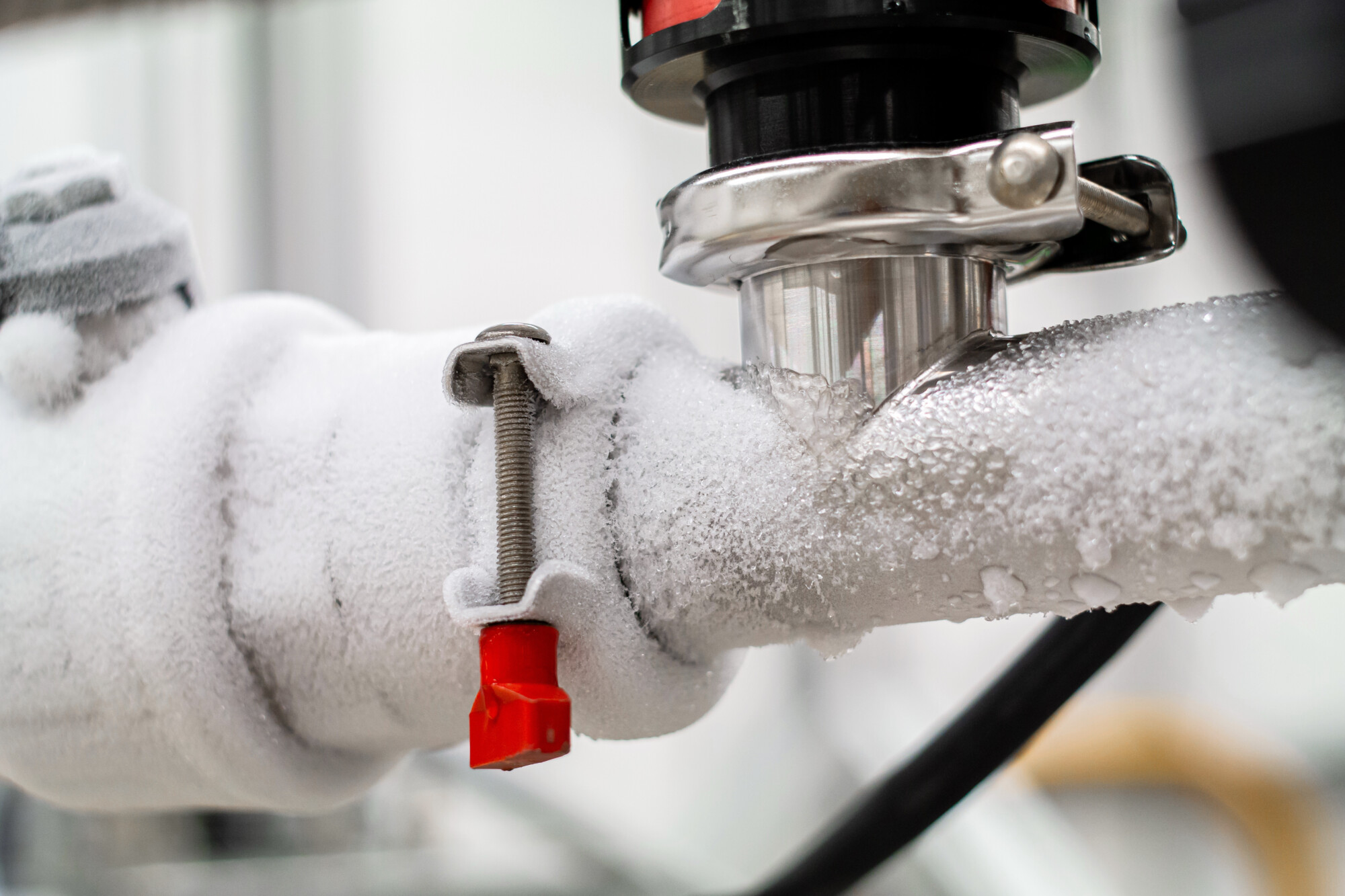
Wrap lagging or domestic pipe insulation around outdoor pipes and joints. Cover outdoor taps. If possible, turn off and drain outdoor spigots before a cold snap.
Keep Water Moving:
During severe freezing weather, let a tap trickle to reduce the risk of freezing. Focus on pipes in unheated areas like garages or lofts.
Remove Snow Carefully:
After snow, clear access to drains and manholes so melting water has somewhere to go.
Spot Problems Early:
Watch for slow-draining sinks or new gurgling sounds. If a pipe freezes, turn off your main stopcock and call a professional. Use warm (not boiling) water bottles or towels to gently thaw pipes, never use a flame. For more detailed tips on managing the colder months, see How to Prevent Winter Pipe Problems.
When to DIY & When to Call a Pro
Some drain issues are easy to handle; others need expert help. Knowing where to draw the line can save time and prevent further damage.
DIY Jobs:
- Remove simple blockages from outdoor drains or plugholes
- Use a plunger for minor slow drains
- Pull out hair or food debris from accessible plugholes
- For advice on choosing the right treatment, see Drain Unblocking Products – The Good & The Bad.
Don’t Risk It:
If you notice rapidly worsening blockages, bad smells, or recurring issues, step back. Problems below ground, with soil pipes, or caused by tree roots are best handled by professionals. If you’re unsure whether to tackle a stubborn blockage, find out How to unblock a soil pipe.
Read our blog about when concrete gets in drainage systems – Can I Remove Concrete From Drains Myself?
Professional Services:
For tough clogs or big repairs, companies offer drain relining, high-pressure jetting, CCTV diagnostics, and rapid response in emergencies. Learn more about why The Importance of Drain Relining matters when facing serious drain damage.
Year-Round Best Practices
- Set Reminders: Schedule checks for drains, gutters, and plugholes throughout the year.
- Keep Drains Clear: Don’t let bins, bikes, or other objects block outdoor drainage points.
- Educate the Household: Make sure everyone knows not to put oils, wipes, fat, or dental floss down the drains.
- Track Your Work: Keep a log of drain issues and any professional visits—handy for spotting patterns or when selling your home.
- Plan Inspections: Get your drains professionally checked once a year if your home is older or has a lot of trees nearby.
- Stay Informed: Watch for local authority updates and look into new drain care products or rules.
Final Thoughts:
Regular, seasonal drain care pays off with fewer emergencies, lower bills, and the peace of mind that comes with a well-maintained home. Use this UK-focused checklist year-round for a safer, healthier, more comfortable property—whatever the British weather brings.